
In the ancient healing temples of Asclepius, the sick did not ask for medicine. They waited for a vision. After ritual purification, patients entered the abaton, a sacred dormitory where non-venomous snakes slithered freely among the sleepers. Here, they awaited a direct cure or a cryptic visual prescription from the divine. Early physicians understood that the sleeping mind speaks an older, more instinctual language. Healers relied heavily on dream symbolism to diagnose the invisible wounds of the psyche.
The waking world demands logic. Sleep ignores these rules entirely. Modern dictionaries often reduce this complex nocturnal language to a highly simplified code. Websites might claim that a falling tooth means anxiety, or a cellphone signifies a lost connection. Yet the unconscious mind never communicates through such rigid, standardized glossaries.
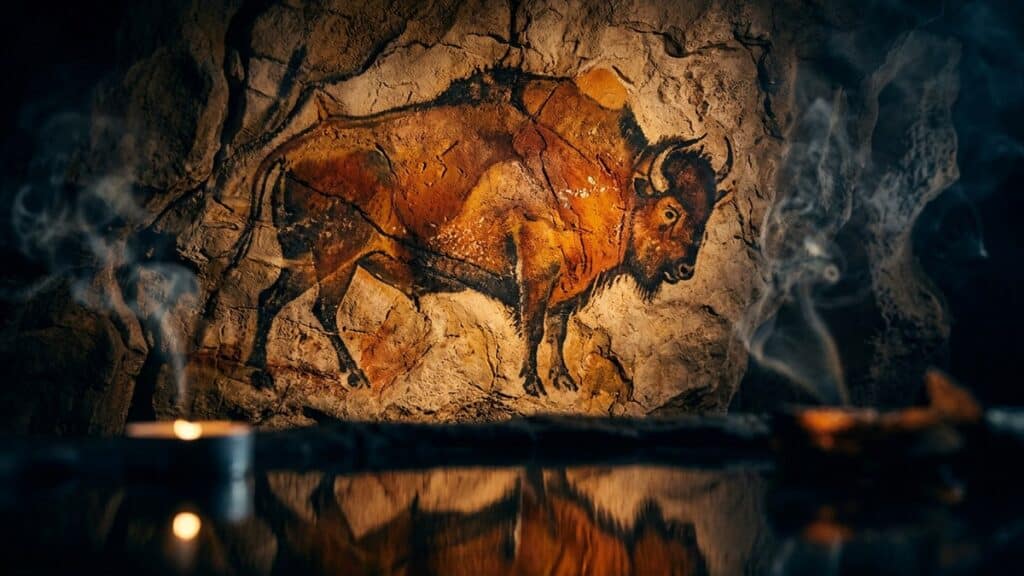
It paints vivid narratives using raw metaphors and ancient archetypes instead of direct speech. A wolf standing in the dark is never just a passing animal. It embodies human instinct operating beneath our daily awareness. These shifting visions depend heavily on personal history and deep cultural memory.
Indigenous traditions treated the sleep state as a parallel reality meant for genuine encounters. Modern psychology frames these same events as projections or deeply repressed fears. Both perspectives describe the exact same process. A tired mind is actively attempting to resolve its daily waking conflicts. Deceased loved ones might appear healthy and joyful to provide profound psychological closure.
Sometimes the sleeping brain hands over a specific object during these nocturnal visits. The dreamer wakes holding an intangible inheritance of sudden insight. We spend a third of our lives submerged in this strange visual landscape. Understanding this code requires much more than looking up a single word. It demands a willingness to listen.
🌌 The Subconscious as Mythmaker and Dream Oracle
Long before modern psychology mapped the brain, early civilizations recognized sleep as a threshold. The unconscious mind operates completely outside the boundaries of spoken language. It builds complex emotional landscapes using raw metaphors, drawing upon a deep reservoir of archetypal dream imagery that transcends individual experience. When the waking mind rests, the subconscious assumes control, suspending the strict laws of physical reality to process fears, desires, and unresolved conflicts through vivid visual narratives.
The mind creates a stage. Logic leaves the room. Images replace spoken words.
This nocturnal theater functions on multiple levels depending on the cultural framework of the dreamer. Historically, oneiromancy—the practice of dream divination—treated these visions as external messages. In the second century, Artemidorus of Daldis compiled the Oneirocritica, a massive treatise cataloging how specific symbols predicted waking events. He understood early on that a single image could hold drastically different meanings depending on the dreamer’s waking-world environment and social standing.
Spiritual and divine interpretations have long viewed this suspended state as a conduit for higher communication. Within many monotheistic traditions, the sleeping mind is considered a receptive vessel. Dr. Charity Virkler Kayembe, a prominent voice on Christian dream analysis, suggests that the divine actively uses the subconscious to offer direction, comfort, or warnings. In these frameworks, receiving an object from a deceased relative during sleep is not a morbid haunting, but rather a profound spiritual inheritance. Dreaming of the dead often acts as a mechanism for psychological closure, presenting the departed in a state of health and joy to ease the waking mind’s grief.
Conversely, Jungian dream analysis turns the focus inward. In his landmark work Man and His Symbols, Carl Jung observed that the unconscious produces symbols precisely because it cannot articulate its meaning through rational thought. Every character and object in a dream acts as a fragmented piece of the dreamer’s own psyche. The menacing intruder, the vast ocean, and the crumbling bridge are all internal mechanisms. Because the rules of reality do not apply, the unconscious can bypass the ego’s defenses. It presents uncensored truths about waking-life relationships and internal struggles, requiring the dreamer to decode a highly individualized context where an aggressive animal might represent a suppressed ambition rather than a physical threat.
🦷 The Crumbling Crown: Somatic Dream Symbols of Power
Why do our bodies react so violently to phantoms of the night? Few nighttime experiences evoke the same visceral panic as feeling a tooth loosen, splinter, and drop onto the tongue. This specific somatic symbol crosses nearly all cultural boundaries, appearing in the sleep cycles of people across the globe. The physical sensation is often so vivid that individuals wake up frantically checking their mouths to ensure their teeth remain intact.
In ancient agrarian societies, strong teeth were vital tools for survival and defense. They represented youth, vitality, and the physical capability to sustain oneself. Losing them in a dream signaled a terrifying loss of bodily power and impending vulnerability. The subconscious tied the imagery of rotting or falling teeth directly to the fear of mortality and physical decline.
Today, the human brain still utilizes this primal imagery, but the context has shifted toward psychological survival. The loss of teeth frequently translates to waking anxieties about aging, public embarrassment, or sudden life transitions. When an individual feels their authority slipping at work or struggles with a profound loss of control in a personal relationship, the unconscious mind reaches for the oldest symbol of powerlessness it knows.
Read the full guide: Why Dreams of Losing Teeth Signal Shifts in Power →
🐍 The Slithering Shadow: Serpent Symbolism in Sleep
The serpent is perhaps the most heavily loaded animal dream symbol in the human collective unconscious. Slipping quietly through the grass, shedding its skin, and delivering fatal strikes, the snake embodies a massive contradiction. It is both the ancient bringer of hidden knowledge and the creeping embodiment of mortal danger.
Different cultural backgrounds heavily color the appearance of this reptile in the sleeping mind. Global mythologies revere the snake in varying forms, from the cosmic Ouroboros eating its own tail to represent infinity, to the coiled serpents on the medical caduceus symbolizing healing and alchemy. When a snake appears in a nocturnal narrative, it rarely points to a direct fear of reptiles. Instead, it forces the dreamer to confront the dual nature of transformation.
A snake shedding its skin might reflect the painful but necessary process of leaving an old identity behind. A venomous bite could signify toxic influences in waking life or a sudden, shocking realization that demands immediate attention. The serpent operates as a neutral force of nature until the dreamer’s specific emotional reaction—terror, awe, or curiosity—defines its true purpose in the vision.
Read the full guide: The Snake in the Subconscious: Healing, Danger, and Alchemy →
🦅 Defying Gravity: The Mythology of Nighttime Flight
Lifting off the ground and soaring over landscapes is one of the most exhilarating experiences the sleeping brain can produce. Escaping the heavy pull of gravity strips away the physical limitations of the waking world, offering a profound sense of freedom. These visions vary wildly in mechanics: some people sprout wings, others float effortlessly like clouds, and a few must swim through the air using sheer physical exertion.
The mythology of flight carries strong associations with spiritual liberation and crossing boundaries. Ancient shamans and mystics often described the sensation of flying as actual astral travel, where the spirit temporarily left the physical body to gather wisdom from higher planes. In modern psychological contexts, taking flight frequently corresponds to rising above heavy burdens or gaining a new perspective on a waking-life conflict.
The degree of control a person maintains in the air often mirrors their waking confidence. Soaring effortlessly indicates a sense of mastery over one’s circumstances, while struggling to stay aloft or catching on power lines points to lingering insecurities dragging the dreamer back down. These visions also serve as common gateways into lucid dreaming techniques, where the sudden realization of weightlessness alerts the sleeper that they are no longer bound by waking physics.
Read the full guide: The Mechanics of Flight: Astral Travel and Spiritual Liberation in Dreams →
📖 Translating the Night: The Art of Dream Decoding
Capturing the meaning of a nocturnal vision requires more than flipping through a standardized dictionary. Because the sleeping mind communicates through highly individualized context, relying on rigid definitions often leads to frustrating dead ends. A horse might represent wild freedom to an equestrian, but sheer terror to someone who survived a childhood trampling.
To decipher the symbolic meaning of dreams, a person must learn to track their own unique associative language. This requires capturing the elusive details immediately upon waking, before the logical brain kicks in and begins erasing the illogical fragments. Journaling becomes a method of preserving the raw data of the subconscious.
The interpretation process involves looking past the surface events to find the emotional core. Active imagination allows the dreamer to re-enter the narrative, asking the characters and objects what they represent. By treating the dream not as a puzzle to be solved, but as a living landscape to be observed, patterns begin to emerge. The recurring imagery slowly reveals how the mind categorizes stress, joy, and transition.
Read the full guide: A Step-by-Step Method for Decoding Your Personal Dream Symbols →
💀 The Final Curtain: Ego Death and Rebirth in Dreamscapes
Waking from a vision of death usually triggers a rush of adrenaline and profound anxiety. Watching a loved one pass away, or experiencing one’s own demise, feels like a dark omen. Yet the sleeping brain almost never utilizes death as a prophetic warning of physical mortality. It employs the imagery of dying to communicate an absolute, irreversible ending.
These narratives are the mind’s way of processing ego death. When a long-held belief, a career, or a defining relationship comes to a close, a portion of the self ceases to exist. The subconscious dramatizes this internal shift by casting it as an actual funeral or a sudden passing. The terror experienced during the vision reflects the waking mind’s resistance to change and its frantic clinging to the familiar.
Conversely, encountering individuals who have already passed away carries a different weight. These visits frequently offer a unique form of psychological closure. By rendering the deceased as healthy, vibrant, and at peace, the unconscious mind helps heal lingering grief. It provides a visual confirmation that the connection endures, transforming the stark finality of death into a continuous, internal dialogue.
Read the full guide: Ego Death and Transition: What Dying in a Dream Actually Means →
🏚️ The Architecture of the Self: Rooms of the Dreaming Psyche
When a house materializes in the sleeping mind, the dreamer is almost always walking through the structural representation of their own psyche. The condition, size, and layout of the building serve as a direct mirror to the individual’s current emotional state. A sturdy, well-lit home indicates stability and confidence, while a crumbling foundation or leaking roof mirrors internal neglect and overwhelming stress.
The specific rooms visited during sleep hold distinct psychological weight. The kitchen often relates to nourishment, family ties, and the processing of raw emotions into digestible experiences. The attic represents intellect, memories, and higher thoughts. The basement plunges directly into the id—the dark, hidden storage space where the mind locks away repressed fears, childhood traumas, and instincts considered too dangerous for the upper floors.
Discovering new, hidden rooms inside a familiar house is a particularly potent experience. These sudden expansions of architecture represent the unearthing of hidden talents, buried memories, or entirely new aspects of the personality previously unknown to the waking self. The house becomes a limitless mansion of internal discovery.
Read the full guide: Exploring the Mind’s Mansion: What House Dreams Reveal About the Self →
📱 The Digital Unconscious: Dream Myth in the Information Age
The mechanics of sleep remain biologically identical to those of ancient ancestors, yet the visual vocabulary of the unconscious adapts seamlessly to the shifting environment. A person living in a dense metropolis processing the fear of failure is unlikely to dream of a lame horse or a broken plow. Instead, the brain drafts modern technological symbols to convey the same ancient panic.
Cellphones and computers now populate the nocturnal landscape with staggering frequency. A shattered phone screen, dropped calls, or an inability to dial a specific number have become the premier modern metaphors for isolation and the breakdown of communication. The anxiety of losing connection is universal; only the prop has changed.
Similarly, vehicles have replaced chariots and ships as the primary indicators of a person’s life trajectory. A car whose brakes suddenly fail on a steep hill perfectly captures the terror of a waking life moving too fast to manage. A driverless car heading toward a cliff signals a complete surrender of autonomy.
The subconscious proves elastic, pulling raw material from daily scrolling, urban infrastructure, and digital interactions. It weaves these contemporary elements into the same archetypal narratives that defined early human mythmaking. The imagery evolves, but the core function persists: the sleeping brain works relentlessly to translate the overwhelming complexity of waking life into a visual language the conscious mind can finally comprehend.
📚 Explore the Full Guide to Dream Symbolism
The symbols generated by the sleeping mind offer a direct route into our deepest anxieties, hidden talents, and unresolved grief. By learning to decipher these nocturnal narratives, you gain a powerful tool for decoding your own internal psychological landscape.
Why Dreams of Losing Teeth Signal Shifts in Power →
The Snake in the Subconscious: Healing, Danger, and Alchemy →
The Mechanics of Flight: Astral Travel and Spiritual Liberation in Dreams →
A Step-by-Step Method for Decoding Your Personal Dream Symbols →
Ego Death and Transition: What Dying in a Dream Actually Means →
Exploring the Mind’s Mansion: What House Dreams Reveal About the Self →
🌅 The Morning Return from the Dreamscape
Morning light always forces an abrupt return to logic. Cold water washes away the strangeness of the dark. Those vivid nocturnal metaphors fade quickly against our daily routines. We trade ancient symbols for the practical demands of morning. Yet a lingering physical sensation often remains behind. The mind remembers a sudden fall or a missing tooth. Even as we pour coffee, the echo of panic persists. Our bodies react to events that never actually happened.
Perhaps the ultimate goal is not to decode every shadow. Searching for a perfect translation misses the actual emotional experience. The unconscious mind creates a mythology tailored to our anxieties. A crumbling crown or a quiet wolf demands immediate attention. These images bypass our rigid waking defenses entirely. They force a confrontation with feelings we usually ignore. Dream dictionaries offer easy answers for complex internal weather. But true insight requires sitting with the discomfort of the unknown. Some visions resist simple explanations.
Ancient seekers slept in stone temples hoping for divine cures. People today toss in soft beds wrestling with identical fears. The set design changes, but the human script remains constant. We all want to feel whole, safe, and understood. When words fail us, the sleeping brain paints pictures instead.
Night after night, this internal theater opens its doors again. Our rational brain rests so an older instinct can surface. You wake up with a racing heart in the dark. Fingers trace the familiar edge of a solid tooth. A shadow shifts slowly across the bedroom wall.
❓ Frequently Asked Questions
What are symbols in dreams?
Dream symbols are the visual vocabulary the unconscious mind uses to communicate complex emotions and unresolved conflicts. Rather than offering direct messages, the sleeping brain translates abstract anxieties, desires, or life transitions into physical imagery like falling teeth, aggressive animals, or unfamiliar architecture. This metaphorical language bypasses rational defenses, allowing the mind to process psychological material that waking consciousness might otherwise avoid.
How can I find out what a dream means?
Decoding a nocturnal narrative requires tracking your personal associations with the specific images presented during sleep. Standardized dictionaries often fail because a symbol’s meaning changes drastically depending on the dreamer’s cultural background, emotional state, and recent waking experiences. Recording the vivid details immediately upon waking and analyzing the core emotion felt during the vision will reveal the underlying psychological message.
What are some dreams you should never ignore?
Visions that evoke intense terror, feature recurring predatory figures, or involve severe bodily harm usually demand immediate psychological attention. These highly charged narratives indicate that the subconscious is actively struggling with a waking-life conflict or repressed trauma that has reached a critical threshold. Confronting the core emotion behind these urgent symbols often provides the exact insight needed to resolve the internal crisis.