
This article is part of our Dream Symbolism series. Read the full guide: Dream Symbolism: The Ancient Secret That Awakens Us
A sleeper in ancient Greece might wake up hoping they dreamed of a serpent. Inside the famous healing temples of Asclepius, this specific vision meant a medical cure was finally arriving. Today, a modern sleeper usually wakes up in a sudden cold sweat. Searching for a snake dream meaning often points immediately toward our hidden, unresolved anxieties. Yet this single slithering image connects us all to a vast human heritage.
Western psychology frequently reduces these nocturnal visitors to raw, unmanaged anxiety. Clinical manuals point heavily toward emotional regulation and processing untamed danger. The Judeo-Christian tradition also casts the crawling reptile as an agent of temptation and lasting ruin. Other global traditions tell a completely different story. In Hinduism, divine guardians known as Nagas are revered as beings possessing immense power and ancient wisdom.
Aboriginal Australian myths center on a massive cosmic creator called the Rainbow Serpent. This immense supernatural being shaped the bare earth and brought life-giving water to early humans. Chinese cultural traditions also closely tie the creature to spiritual protection and profound luck. Across the globe, the serpent embodies the terrifying friction between the death of the old self and the birth of the new.
Our sleeping minds still borrow heavily from this expansive global symbolic vocabulary. A slithering shadow in the night rarely signals an approaching physical disaster for the dreamer. Instead, it frequently demands a necessary, painful shedding of old personal habits. Understanding this nocturnal visitor requires looking far past our immediate waking fears. The human subconscious speaks a visual language much older than modern clinical psychology.
🏛️ The Healing Temples of Asclepius
In ancient Greece, the serpent was a celebrated agent of medicine. Posing a profound biological paradox to early physicians, the animal carried venom capable of stopping a human heart while also casting off its dead, weathered skin. Emerging from the rocks gleaming and entirely renewed, this biological trait appeared as a magical act. Sprawling medical sanctuaries were built based entirely on this concept.
These massive sanctuaries were called Asclepieia, functioning as the primary hospitals of the ancient Mediterranean world. Sick pilgrims traveled for weeks to reach their gates. The most famous and elaborate sanctuary stood in Epidaurus, where pilgrims underwent strict fasting and ritual purification upon their arrival. Preparing themselves for a divine encounter in the dark, they engaged in a sacred sleep ritual known as incubation.
Imagine the sanctuary of Epidaurus in the fourth century BCE. A sick traveler lies on a simple animal skin pallet inside the abaton, the sacred sleeping hall. The carved stone floor is cold against their back. Large, non-venomous yellow snakes glide quietly across the marble while the pilgrim waits anxiously in the pitch black. Hoping a heavy serpent will slither over their body, they understood that a snake appearing in their sleep meant a cure was arriving directly from the god Asclepius.
This ancient reverence birthed a lasting medical emblem. The Rod of Asclepius features a single serpent coiling tightly around a rough wooden staff, an exact symbol modern medical organizations still use today. It frequently gets confused with the Caduceus, the staff of the god Hermes, which features two intertwining snakes and a pair of wings. Since Hermes was the patron god of commerce and swift thieves, the single snake of Asclepius holds a completely different meaning. Pointing directly to physical healing and bodily renewal, the serpent functioned as a respected doctor rather than a demon.
🐉 Nagas and Eastern Guardians of Wisdom
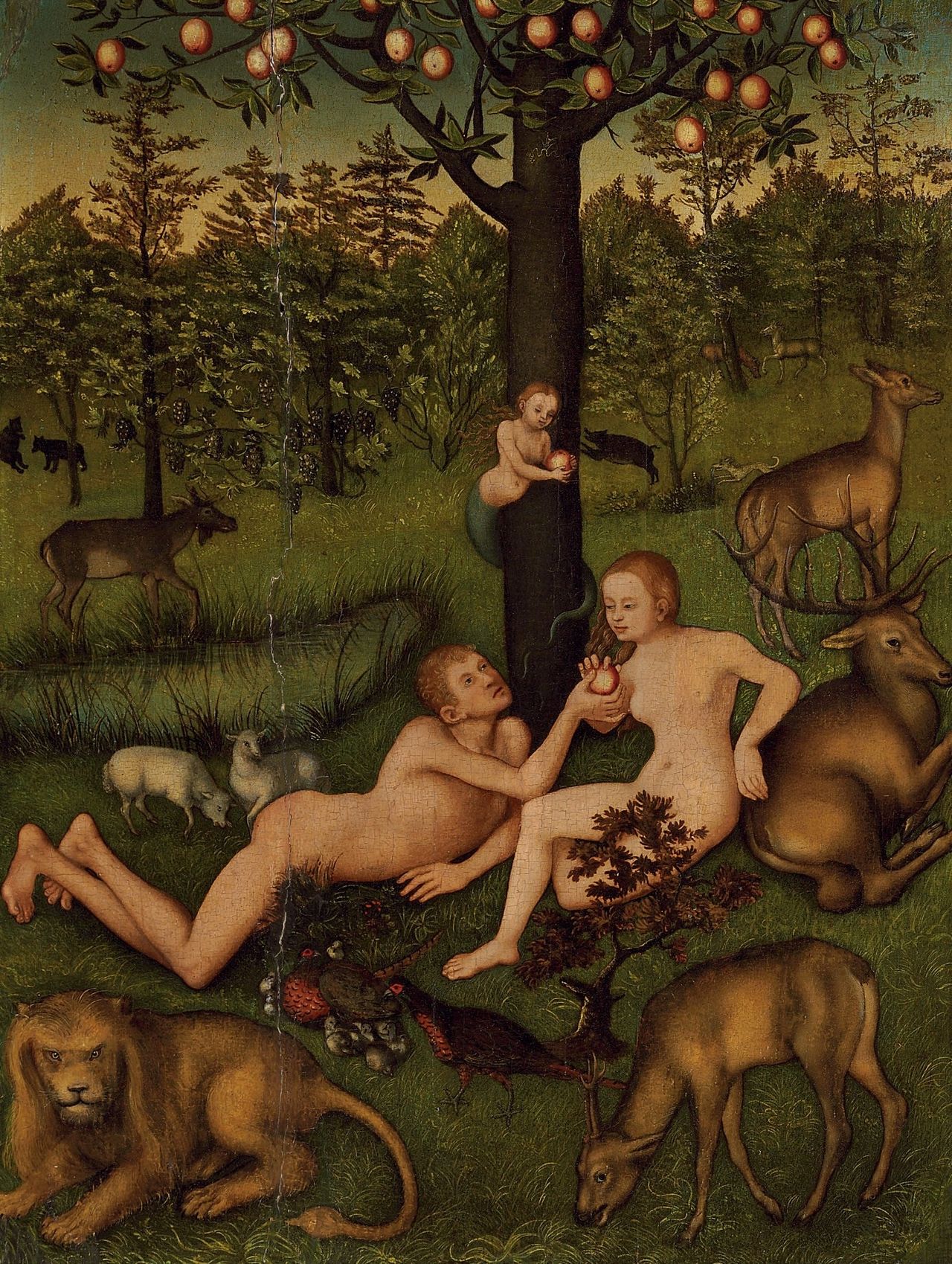
The Western world eventually learned to fear the crawling reptile. The Book of Genesis framed it as a deceptive force, equating the animal with temptation in the Garden of Eden narrative. The narrative shifted. The snake became an enemy. A symbol of renewal turned into an agent of ruin.
Eastern traditions preserved a much older, highly reverent perspective. In Hinduism, the serpent frequently appears as a Naga. Nagas are powerful, semi-divine snake deities with immense authority residing in an opulent underworld kingdom called Patala. Guarding massive jewels and ancient cosmic knowledge, Nagas operate as fierce, uncompromising protectors of the natural order.
The supreme god Vishnu rests upon a giant cosmic serpent named Ananta Shesha, which floats eternally on the cosmic ocean of existence. A snake dream symbolism in this context is highly auspicious, suggesting a direct encounter with profound divine power rather than signaling a moral failing or spiritual weakness.
Hindu yogic philosophy describes the powerful concept of Kundalini as dormant potential resting at the spine’s base. Taking the shape of a tightly coiled snake, Kundalini awakening dreams often feature ascending, luminous serpents. The imagery captures vital energy rising through the body’s chakras.
Chinese culture shares this deep respect for the reptile. The Chinese zodiac snake embodies sharp intuition and quiet intelligence, holding strong symbolic ties to rich dragon mythology. Ancient Chinese mythology features Nuwa, a powerful creator goddess possessing a human head and a long serpent body. Molding the very first humans from yellow river clay, she proves the creature brings life into existence rather than destroying it.
🌈 The Rainbow Serpent and Cosmic Builders
Crossing the vast Pacific Ocean, Aboriginal Australian traditions center heavily on the Rainbow Serpent. This immense creator deity of unfathomable power exists within the complex, timeless framework of the Dreamtime. The cosmic rainbow serpent physically shaped the barren Australian landscape, carving deep valleys as it slithered across the earth and pushing massive mountains up toward the empty sky.
Controlling the supreme, life-giving element of water, the creature fills the dry rivers and brings the heavy monsoon rains. The Rainbow Serpent commands the ultimate power of life and death. Dreaming of this colossal entity carries heavy cultural significance, connecting the sleeper directly to the raw forces of creation.
Mesoamerican cultures built towering stone pyramids for their snake deities. Mayan snake gods governed the vast cosmos and seasonal agriculture, with the great feathered serpent widely known as Kukulkan. The Aztecs worshipped a similar, powerful deity named Quetzalcoatl. Uniting the celestial sky and the earthly ground, this god arrived as a massive serpent adorned with bright plumage.
Native American traditions also recognize this immense natural power. Hopi dancers hold live snakes in their mouths to summon rain, while other indigenous groups utilize specific rattlesnake rituals for spiritual medicine. Providing fierce protection against hidden, unseen enemies, the serpent operates as a vast world-builder in these indigenous cultures on a scale far beyond personal human anxieties.
Indigenous perspectives view the reptile as a living environmental force, connecting to the broader symbolism of dream symbolism across cultures. Acting as a mirror for the untamed natural world, it commands absolute, silent respect when appearing in sleep. The dreamer is standing before the ancient architecture of nature.
🔄 The Ouroboros and the Shedding Metaphor
Certain serpent images repeat across entirely disconnected ancient civilizations. The Ouroboros is perhaps the most famous global example, depicting a circular snake eating its own tail. This perfect shape appears in ancient Egyptian tomb carvings, Greek magical texts, and medieval European alchemy. In his landmark work The Archetypes and the Collective Unconscious, Carl Jung observed that this circular serpent motif frequently emerges when the psyche is undergoing rapid, unmediated transformation. The image captures eternity and infinite, unbroken life cycles. An Ouroboros dream meaning points toward a state of wholeness, signaling to the anxious sleeper that every ending begins again.
The physical biology of the animal drives another universal theme. The shedding skin metaphor appears in nearly every mythic tradition. A snake must violently abandon its old exterior to survive, rubbing its face against rough, sharp stones to crawl out of its own past identity. Becoming highly vulnerable and temporarily blind during this difficult process, dreams of a shedding snake suggest a profound internal shift. The dreamer is outgrowing their current psychological container.
Yet the creature still carries a distinct, sharp warning. Black snakes frequently appear in highly distressing, memorable dreams. A black serpent often functions as an indicator of unseen danger across various traditions. A snake in house dream brings this threat intimately indoors, suggesting an immediate disruption in one’s private, domestic space.
Modern clinical psychology interprets these nocturnal visions with similar gravity. Adriane Soehner, a psychiatry professor studying emotional processing, observes that dreams help regulate our reactions to waking life. Clinical psychology author Arlin Cuncic views the snake as untamed chaos, where the subconscious mind uses the reptile to process unpredictable threats. Professional texts like The Alchemy of Your Dreams frame them as metaphors, suggesting science and mythology simply employ different vocabularies for the same phenomenon.
🧭 The Universal Mirror of Snake Dream Meaning
The snake holds an entirely unique place in human imagination. It possesses no arms or legs, yet it strikes instantly. It lives deep in the dark earth but climbs high trees. It carries lethal poison alongside the promise of complete rebirth. Evolutionary anthropologists suggest humans developed sharp vision primarily to spot snakes, meaning our brains are hardwired to notice their distinct, slithering shapes. This stark biological reality made it an ideal psychological canvas for humans across the globe to project their deepest mysteries onto.
Cultures separated by vast oceans observed the exact same threshold. They recognized a creature that bridges the terrifying gap between what is dying and what is being born. The ancient Greeks saw the delivery of sudden, miraculous medicine. Aboriginal Australians saw the physical rivers forming in the red dust. Hindu yogis saw dormant spiritual fire waking up inside the body. Judeo-Christian scribes saw the ultimate danger lurking in the garden. Each civilization focused its cultural lens on a different biological facet.
The sheer intensity of the symbol unites these disparate traditions. A serpent in a dream never leaves the sleeper indifferent, always demanding full, immediate, and sharp attention from the mind. Forcing a direct confrontation with raw, unmediated existence, the creature embodies the ultimate, terrifying boundary line between the known village and the dark forest.
The human mind requires potent symbols to process the severe thresholds of existence. It needs an image for the violent destruction of past identities, alongside a metaphor for the slow, vulnerable emergence of future selves. The serpent perfectly captures this friction of metamorphosis. It remains the oldest, most enduring mirror for human fragility.
🌙 A Shared Nocturnal Language: Snake Dream Meaning
The human mind clearly shares a very old visual vocabulary. A creature that frightened a wandering nomad also cured an ailing Greek pilgrim. Today, that identical slithering shape visits our modern bedrooms. We usually wake up sweating, reaching quickly for a clinical diagnosis. We want to label the vision as simple stress or unmanaged fear. Yet the image itself refuses to be easily categorized by modern metrics. It carries both the sharp sting of venom and the quiet promise of a fresh skin.
This shared threshold explains why so many different peoples revered the exact same animal. They recognized that profound cultural and spiritual evolution often begins with a terrifying shock. Whether carved into Egyptian tombs or painted in Australian caves, the serpent remains the ultimate cross-cultural emblem of metamorphosis. It proves that outgrowing an old psychological container is always a violent, necessary, and deeply sacred act.
When the serpent glides into the theater of sleep, it asks a question older than waking logic. Are we merely reacting to a sudden rustle in the dark, or are we being summoned to shed a life that has grown too tight? Perhaps the true terror of the night visitor is not the threat of a sudden strike, but the quiet realization that our current skin can no longer contain who we are becoming.
❓ Frequently Asked Questions
Is it good or bad to dream about snakes?
Whether the vision is positive or negative depends entirely on the cultural lens and the emotional tone of the sleeper. Western frameworks often interpret the animal as a manifestation of unmanaged anxiety or hidden threats. Conversely, Eastern and indigenous traditions frequently view the identical image as an auspicious sign of healing, spiritual awakening, or necessary personal renewal.
What is the spiritual meaning of a snake?
Spiritually, the reptile embodies the violent but necessary friction of metamorphosis and the life cycle. Because it must cast off its dead skin to survive, it universally represents shedding old identities to make way for new growth. It acts as a mirror for dormant energy, creation, and the raw forces of the natural world.
What does it mean when you dream about a snake attacking you?
An attacking serpent usually signals an immediate, unavoidable confrontation with a suppressed fear or a looming life transition. Rather than predicting physical danger, the strike forces the conscious mind to address an issue it has been actively avoiding. The aggressive movement demands sudden awareness and rapid psychological adaptation.
For a broader understanding of this symbolic tradition, explore our complete guide to Dream Symbolism: The Ancient Secret That Awakens Us.
Explore Related Topics

Dalton Treviso is an independent researcher and writer exploring archetypes, Jungian psychology, and mythological symbolism. His work focuses on how ancient philosophical traditions and symbolic systems illuminate the hidden structures of the human psyche.
Drawing on Jungian psychology, Stoic thought, and comparative mythology, Dalton examines how the inner patterns we carry shape perception, conflict, and transformation.
Through EINSOF7, he writes about the symbolic architecture of the mind — exploring how myths, archetypes, and philosophical traditions act as both mirror and map for psychological depth and self-understanding.
Areas of study: Jungian archetypes, animal symbolism, dream symbolism, mythological figures, and ancient symbolic traditions.