Jungian Archetypes
Every recurring character in myth, dream, and story is a map of the psyche. These essays explore the Shadow, the Anima, the Trickster, and the Self — the universal patterns Carl Jung identified as the hidden architecture of human behavior.
Beyond Personality Tests: How to Know Your Archetype and Reclaim Your Soul
Go beyond personality quizzes. Discover how to know your archetype using Jung, Campbell, and the Norse fylgja. A guide to reclaiming the…
10 Rare Ancient Symbols for Strength That Transform
You stare at a blank sheet of paper. The room remains quiet, but your mind races with daily anxieties. This chaos drives…
Katabasis: How the Dark Descent Heals You
The ancient Greeks had a specific word for the walk into the dark. They called it katabasis. It meant a hero’s descent…
Dream Meaning Spiders: The Sacred Shadow
Modern sleepers often wake in a cold sweat when an eight-legged shape crawls across the subconscious. Yet the oldest human stories tell…
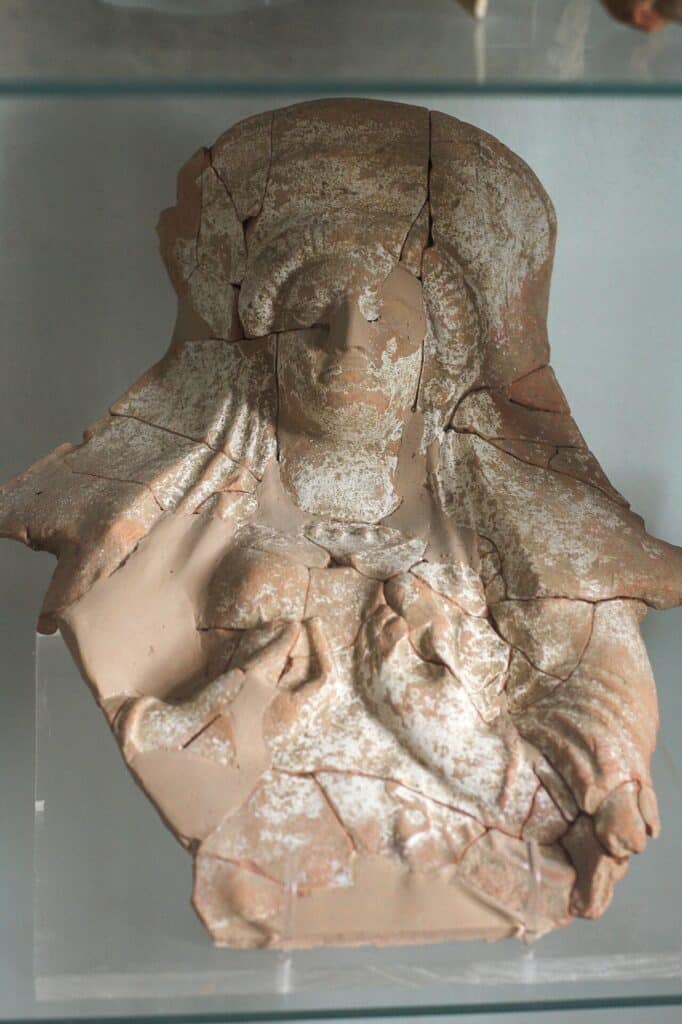
Great Mother Archetype: Primal Force That Drives Us
About thirty thousand years ago, human hands shaped a small, faceless figure from wet clay. They baked this heavy-breasted statuette in a…
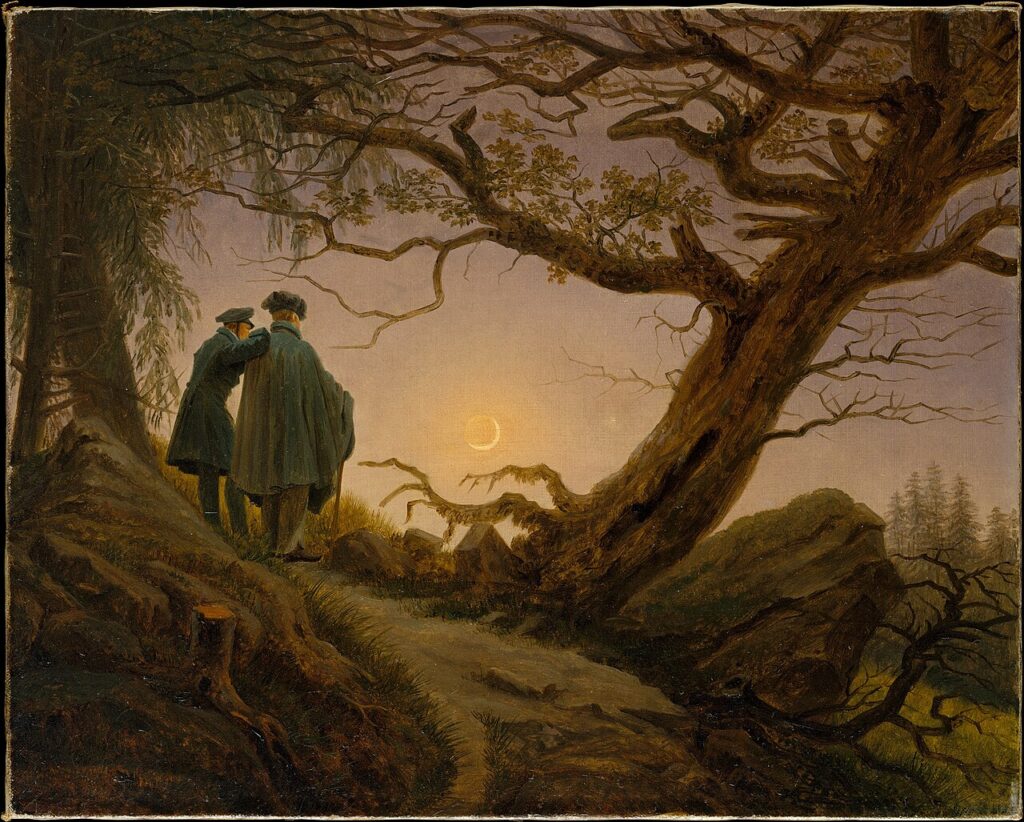
Shadow Archetype: The Dark Side That Haunts You
The chemist stood before the tall glass and waited for the change. He did not fear the monster he was about to…
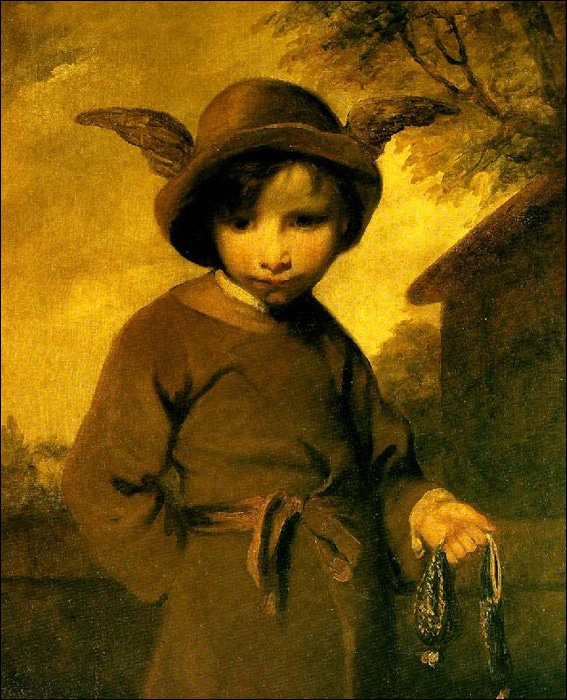
Trickster Archetype: Why Chaos Transforms Us
On his very first day of life, a Greek infant stole fifty cattle. Across the ocean, a Coyote juggled his own eyes…
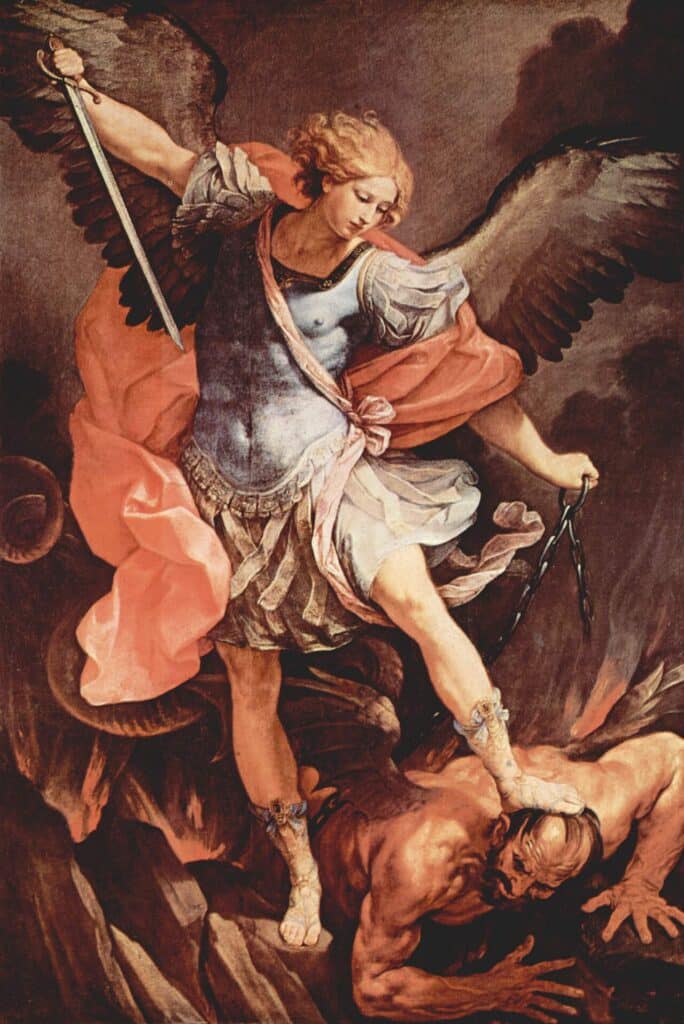
Hero Archetype: The Secret Map of Your Soul
Gilgamesh walked the earth seeking to defeat death. A modern teenager watches a Jedi face his father. These two scenes tell the…
Anima and Animus: The Hidden Soul Within
Ancient Rome understood the human interior through two distinct words. Animus referred to the spirit or mind, a driving force of action.