This article is part of our Animal Symbolism series. Read the full guide: Why Animal Symbolism Awakens the Primal Mind
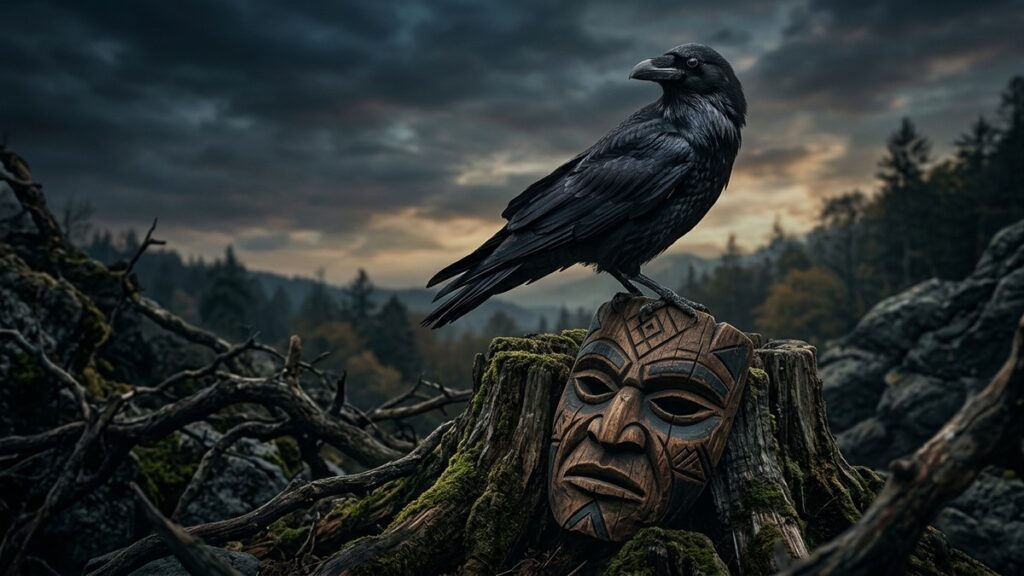
You might notice a quiet raven watching you from a rusted fire escape. Or perhaps a vivid dream of a bear wakes you long before dawn. These sudden, arresting encounters usually spark a deeply familiar curiosity. Quick online quizzes often promise to reveal how to find your spirit animal. Yet a fast algorithm rarely captures the true weight of that instinctive pull.
Modern behavioral psychology often treats this inner connection as a useful projective tool. It bypasses logical thought to reveal hidden emotional needs and subconscious drives. The specific terminology, however, descends directly from complex Native American cosmologies. Indigenous educators actively ask outsiders to respect closed practices involving sacred totems. Honoring these clear boundaries means researching our own diverse ancestral lineages instead.
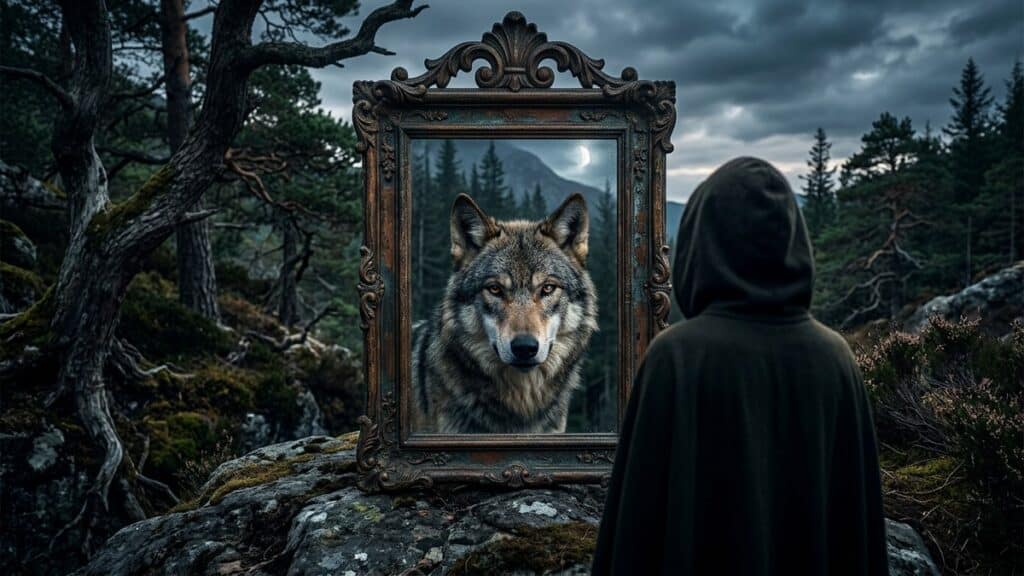
Similar archetypal relationships appear vividly across many different global cultures. Mesoamerican nagual traditions and Celtic lore describe animals acting as spiritual mirrors. Uncovering this personal bond is never about picking a favorite creature from a list. The process involves quiet observation and a sincere willingness to confront hidden strengths. A genuine animal archetype can expose your unacknowledged empathy or raw, instinctual courage.
The natural environment constantly communicates with the human subconscious mind. Recognizing that quiet voice means learning to listen without forcing a specific outcome. True inner guidance usually arrives when the busy logical brain finally steps aside. You begin to notice subtle, repeating animal patterns in your daily life. A genuine symbolic connection ultimately grounds you firmly in physical reality.
This careful approach requires genuine patience rather than demanding instant answers. Your personal animal guide serves a distinct functional role in your daily survival. It acts as a trusted companion during periods of intense personal growth. Understanding this dynamic transforms a passing curiosity into a profound psychological anchor, encouraging a broader practice of animism.
🏛️ Tracing the Spirit Animal Lineage: Beyond the Totem
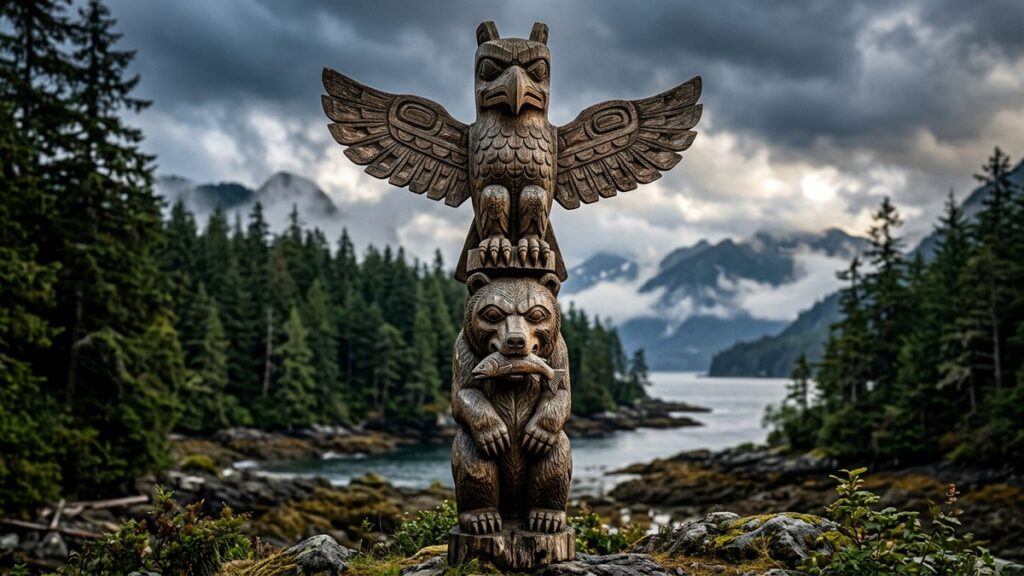
The phrase “spirit animal” carries deep cultural weight, descending directly from complex Native American spiritual frameworks. These cosmologies view animals as sacred relatives and community protectors. Indigenous educators frequently ask outsiders to respect these closed traditions. The Smithsonian National Museum of the American Indian provides clear guidance, emphasizing that replicating sacred indigenous animal imagery remains inappropriate.
Crafting personal totem poles or sacred pictographs crosses firm cultural boundaries. Approaching the work ethically requires looking deeply into personal historical roots. Researching your own specific ancestral lineage uncovers the animal myths native to your cultural background.
Focusing on your own bloodline avoids the ethical issues surrounding appropriation trends. Historical shamanic practices existed across the globe for millennia, where an animal guide served a highly functional role. Acting as a protective presence during difficult spiritual crossings, the guide helped individuals find internal balance and ensure survival. Broad animistic practices appear vividly across Celtic, Norse, and Slavic histories.
Consider a historical scene from the frozen north, where a Norse traveler sat by a small, smoking fire. Carving a sleeping bear into a piece of bone, the iron knife scraped loudly against the hard surface before a long, dark winter crossing. With the smell of burning pine filling the freezing air, the traveler sought to borrow the bear’s physical endurance rather than worshiping it as a distant deity. The carving acted as a physical anchor for a mental state. Ancestral lineage research grounds modern practice in exactly this way, shifting a superficial discovery into a genuine historical connection.
🌙 The Mind as Forest: Psychological Projection of Animal Guides
Why do sudden animal encounters feel so deeply striking? Modern psychology offers a very helpful and grounded lens, treating the animal as a powerful projective tool that entirely bypasses our rational, analytical filters. Our minds naturally categorize the world using deep symbolic associations. The subconscious rarely speaks in clear, logical sentences, communicating instead through heavy imagery and sudden emotional reactions.
Behavioral psychology often links these reactions to System 1, our fast, instinctive, and highly emotional processing center. Encountering a specific creature triggers an instant mental reaction, projecting hidden emotional needs onto the animal. A sudden fascination with a solitary hawk might reflect a subconscious desire for strict independence. A recurring dream of a protective, watchful dog often indicates a deep internal need for physical security.
Bridging the gap between conscious thought and subconscious drive, an authentic connection relies entirely on symbolic reflection. Humans have always used the natural world for inner translation to map their own complex inner lives. Such impulses connect to the broader study of animal symbolism across diverse global cultures.
Stopping the analysis allows the animal to simply represent a raw feeling. Grounding the experience in physical reality prevents the practice from becoming purely intellectual.
The symbolic mind is ancient. It adapts. It survives.
Because the rational brain falters under pressure, the subconscious uses the animal form to communicate urgent needs. Dreaming of a caged tiger when feeling trapped explains the emotional reality faster than words. Acknowledging the psychological bridge explains how the connection physically manifests without diminishing the experience.
🧭 The Tracking Method: Observation and Animal Dreams
The actual practice of finding your guide requires quiet observation rather than consciously choosing a creature from a list. The animal presents itself to your awareness over time. Recognizing these patterns requires a significant shift in daily habits. Begin by setting a very clear internal intention, speaking it quietly before leaving the house each morning to notice the creatures currently sharing your physical environment.
Walk outside without a phone or any digital distraction. Move slowly and pay close attention to subtle physical movement, noticing the small birds sitting quietly on the power lines or the insects moving through the damp, dark soil. The goal is noticing what is already present rather than finding an exotic, rare creature. Pay attention to highly unusual animal behavior. A fox quickly crossing your path might mean nothing, but a fox stopping to hold your gaze carries different weight.
Document these distinct encounters meticulously in a dedicated notebook. Write down the weather, the exact time, and the behavior, noting your physical and emotional state during the brief encounter. Did the sudden appearance of a deer make you calm? Did a hovering wasp induce a sudden wave of panic? These emotional reactions serve as vital data points for your search.
The practice extends into the night through dream journaling. Keep a pen and blank paper directly next to your bed. Dreams often bypass waking mental defenses entirely. When waking from an animal dream, write it down immediately without worrying about proper grammar or coherent narrative structure. Capture the raw sensory details first before they fade away. Was the animal’s fur wet with cold rain? Did it make a specific, strange sound in the dark? What was the exact texture of the ground beneath it?
Look for clear repetition over several weeks or months, as a single encounter rarely establishes a lasting connection. You are tracking a behavioral pattern in your own mind. If a specific creature appears repeatedly, pay close attention. Finding the creature in dreams, media, and physical reality often indicates a genuine, emerging connection.
Sit quietly with the core idea of this specific animal, closing your eyes to visualize the creature clearly. Imagine it standing just a few feet away. Notice how your physical body feels in its presence. Does your breathing naturally slow down and deepen? Does your tense physical posture begin to shift? The physical reaction confirms the depth of the inner connection before you even begin analyzing the meaning.
Spend time studying the biological reality of the animal. Learn exactly how the creature survives in the wild environment, reading about its specific foraging habits and social structures. A spiritual connection must root itself in biological truth, because the way an animal lives dictates its symbolic power. Take time to visit the specific physical environments your animal inhabits. If you are tracking a heron, spend time near still water. Smelling the mud or feeling the wind builds a physical bridge, making the internal visualization much more accurate and grounded.
🌿 Going Deeper: Animal Meditation and Ancestral Lineage
Once a specific animal emerges, different methods serve entirely different stages of the personal process to deepen the connection. A spiritual guide meditation offers a direct, intentional internal pathway. Find a quiet space to remain completely undisturbed, sitting comfortably with your spine straight and hands resting. Focus exclusively on the steady rhythm of your natural breathing.
Imagine walking into a dense, highly familiar natural landscape, whether a dark pine forest or a rocky shoreline. Engage all your physical senses in this mental space. Feel the cold temperature of the air on your skin and hear the heavy sound of your footsteps on the loose earth. Call out internally to the animal you have been tracking, waiting patiently for it to appear in your mind’s eye. Observe exactly how the animal approaches you in this space. Does it keep a safe distance near the dark tree line? Does it offer a specific object or make a gesture?
Rather than forcing a conversation or demanding a profound revelation, simply spend quiet time in the presence of your animal spirit guides. Notice the exact color of its eyes and fur. When you feel ready, quietly thank the creature for appearing, open your eyes, and return to the physical room. Record the entire sensory experience immediately in your dedicated journal.
Expand your research to include the actual sounds the animal makes. Find high-quality audio recordings of their specific calls and vocalizations, listening to these sounds with your eyes closed in a quiet room. A fox’s scream is entirely different from its quiet barking, just as a raven’s click carries a different vibration than its caw. Learning these acoustic details adds immense depth to your meditation practice, turning the mental image into a fully realized, multi-sensory experience.
Another vital method involves rigorous spiritual lineage research. Tracing geographic origins directly honors your specific historical ancestors. Investigate the native wildlife of those specific ancestral regions and read the ancient folklore from those cultures. Finding deep cultural ties to the leaping salmon or wild boar strengthens the psychological bond immensely, grounding the personal experience in a vast historical continuum.
Investigating ancient folklore often validates initial intuitive discoveries. Feeling an unexpected draw to the wild hare takes on new weight upon discovering the hare was central to ancestral mythology. Some practitioners create a small physical focal point in their homes. Instead of appropriating closed indigenous animal imagery, practitioners find natural, ethically sourced items like a fallen feather or a smooth river stone. Placing this natural item in a prominent, quiet spot serves as a visual anchor for ongoing daily practice.
💡 Walking Together: The Daily Animal Guide Practice
Integrating this connection into daily life requires subtle, consistent shifts. The animal guide operates as a unique lens through which to view challenges, never as a magic solution to complex problems. When facing a difficult decision, pause and reflect quietly, asking yourself how the animal would navigate the current situation. A bear might suggest a period of quiet boundary-setting, while a hawk might encourage viewing the larger, clearer picture.
Observe how you project the animal’s meaning onto struggles. If your guide is a badger, find courage in relentless persistence. If it is a deer, practice extreme gentleness in human conflict. The animal provides a highly distinct, observable behavioral model, offering an alternative way to move through a crisis. Practicing mirroring the animal’s physical posture—like a feline stretching with deep intention—anchors the symbolic energy in your muscles.
Obstacles naturally arise during this long process of integration. A common hidden desire is for a culturally romanticized animal guide, leaving people desperate for a lone wolf, a tiger, or an eagle. Frustration over the persistent appearance of ordinary ants reveals a much deeper psychological truth. While the ego craves a loud symbol of power, the subconscious mind usually benefits from quiet humility.
The pigeon thrives gracefully in harsh, unforgiving urban environments. The ant accomplishes massive goals through steady, collective effort. Accept the guide that appears, not the guide you desire, because the animal that challenges your ego holds the most value. Another common obstacle is the temptation to over-intellectualize every encounter. Not every single animal sighting carries heavy symbolic weight; sometimes a gray squirrel in the park is just a squirrel.
Learn to distinguish between an ordinary event and a charged encounter. A charged encounter carries a very distinct physical sensation, feeling heavy with sudden, unexpected, and sharp focus. Trust your physical body to recognize the clear difference. Maintain your quiet observation practice even when life gets chaotic, understanding there will be long periods where the animal does not appear. Do not panic or force an artificial connection during these gaps, as the relationship operates on its own natural, seasonal rhythm.
Acknowledge the animal when you see it in the physical world. A simple nod or a quiet internal greeting maintains the bond, solidifying the relationship over long periods. The practice slowly shifts from an active, anxious search into a quiet, enduring, and deeply grounded companionship. You learn to walk alongside the archetype in ordinary, daily life.
🧭 Experiencing the Animal Bond: How to Work With This
When an animal archetype finally takes root in your awareness, the shift feels remarkably subtle. You stop searching the tree lines for a sign and simply inhabit your environment with quiet, grounded confidence. Walking to your car or sitting near a window becomes an opportunity for passive connection rather than an active hunt for meaning. The heavy weight of needing an immediate spiritual answer lifts, replaced by a deep trust in your own internal rhythms.
You might feel a sudden, quiet kinship with the stray cat resting under a parked car or the hawk circling high above the highway. This awareness does not require formal rituals or complex daily routines to maintain its potency. It lives in the brief moments of recognition, a silent nod to the wildness that exists both outside and within your own skin. The archetype becomes a familiar companion, offering a steady, grounding presence whenever the noise of daily life grows too loud.
The Quiet Arrival
Finding an archetype takes time. The experience looks less like a sudden, dramatic revelation. Instead, it feels like a slow settling into your own skin. You stop forcing the natural world to deliver immediate answers. Patience replaces the urgent need for a quick psychological fix.
A true symbolic bond eventually anchors you in the present moment. Your breathing naturally shifts when that familiar shape crosses your path. Perhaps a sudden stillness overtakes you in a loud space. The racing mind finally stops. This internal shift provides a very real, functional kind of shelter.
The creature you seek is not a prize to be won. It simply mirrors an instinct you buried long ago. Recognizing this truth is only the beginning of the work. You must still decide how to carry that wildness into tomorrow.
❓ Frequently Asked Questions
What are the 12 spirit animals?
The concept of exactly twelve spirit animals stems from modern, commercially adapted zodiac systems rather than authentic indigenous practices. Traditional animistic cultures recognize countless animal guides depending on the local ecosystem and personal ancestral lineage. Attempting to fit a deeply personal psychological connection into a rigid list of twelve limits the vast potential of the natural world.
How do I identify my birth spirit animal?
Discovering an animal connected to your birth requires researching the specific mythology and geographical history of your direct ancestors. Rather than using an online birth month calculator, look into the native wildlife that surrounded your family line centuries ago. The creatures woven into your own cultural heritage offer a much more grounded and historically accurate starting point.
What is the rarest spirit animal?
Rarity in the context of animal guides is a misconception driven by human ego rather than psychological or spiritual utility. A common pigeon or an ordinary garden ant can provide far more profound insight than a culturally romanticized wolf or eagle. The value of the archetype lies entirely in its specific behavioral lessons, not in its biological scarcity.
For a broader understanding of this symbolic tradition, explore our complete guide to Why Animal Symbolism Awakens the Primal Mind.
Explore Related Topics

Dalton Treviso is a depth psychology researcher and writer exploring how archetypes, shadow work and ancient philosophy illuminate the hidden structures of the human psyche.
Drawing on Jungian psychology, Stoic thought and mythological symbolism, his work examines how the inner patterns we carry shape perception, suffering and transformation.
Through EINSOF7, Dalton writes about the symbolic architecture of the mind — helping readers understand how myths, archetypes and philosophical traditions can act as both mirror and map for psychological depth and self-understanding. More about me click here.