
This article is part of our Animal Symbolism series. Read the full guide: Why Animal Symbolism Awakens the Primal Mind
He did not create the world. He just stole the light that illuminated it. According to Haida myth, the earth remained completely dark until the trickster finally arrived. True raven symbolism rarely deals in simple heroism. By shifting forms, he stole the hidden sun from a greedy elder and carried it into the sky.
Such grand theft defines his mythic profile across multiple continents. French anthropologist Claude Lévi-Strauss noted a distinct biological reason for this enduring status. Eating carrion places the dark bird exactly between life and death. This grim diet allows him to freely cross physical boundaries that trap other mortal creatures.
He operates as the ultimate mediator in Western traditions. In ancient Greece, he served Apollo as a winged scout who delivered harsh prophecies. The Norse god Odin relied on two such highly intelligent companions. Huginn and Muninn flew across the nine worlds every single morning, always returning to whisper the gathered secrets of men.
Western myths often cast him in the rigid role of a grim, unyielding messenger. Celtic battlefields frequently saw him as the Morrígan, a fierce goddess foretelling sudden doom or victory for dying warriors. Yet his ancient story stretches far beyond European shores. Japanese Shinto traditions tell of the mighty Yatagarasu.
This three-legged figure guides lost emperors through treacherous mountain passes. He acts as both a clever trickster and a somber psychopomp. Stealing the dawn is just as natural to him as leading the recently dead. The strict boundaries he casually crosses reveal the exact shape the unknown takes when it wants to be seen.
🏛️ The Burned Raven of Apollo
Before the scorch marks, the raven was a creature of brilliant white. Greek myth records this early iteration of the bird as a symbol of purity, operating entirely within the grace of divine favor. Apollo, the god of light and prophecy, loved a mortal princess named Coronis. Leaving his sacred bird to guard her established the famous Apollo white raven myth. The bird was tasked with watching her every mortal move.
Coronis did not remain faithful to the distant god. She eventually took a mortal lover named Ischys. The white bird witnessed this quiet betrayal in the shadows and flew immediately back to its master with the hard news. Apollo erupted in grief and sudden violent rage. He did not punish the winged messenger with death. He punished it with a permanent physical transformation.
The fire of the sun god burned the bird. Its white feathers turned instantly and permanently black. The Greek tradition cemented a new reality for the creature, ensuring it carried the heavy weight of bad news from that moment forward. Delphi was the center of the ancient prophetic world, and the god of light demanded absolute truth from his followers. The raven became his perfect instrument of aerial surveillance.
Ancient Greeks understood the inherent danger of divine attention. Being noticed by Apollo often ended in absolute ruin, making the black feathers a permanent visual warning. No mortal could hide their secrets from the sun. Obscure variations of the myth push the horror even further. Some fragmented texts claim the bird was once a human named Lycius, transformed by the furious god. This human transmutation adds another layer of quiet tragedy. The bird retains a human level of deep understanding while forced to observe mortal failings forever.
How does a disgraced messenger become a chief god’s most trusted advisor?
🌍 Odin’s Ravens: Memory and Slaughter in the North
The northern winds carried a different kind of reverence. In Scandinavia, the bird became a willing spy for the gods. Odin surrendered an eye at the well of wisdom, needing a reliable way to see the vast nine worlds. He relied entirely on two specific winged companions. These Norse mythology ravens were named Huginn and Muninn, translating directly to Thought and Memory.
Every dawn, the pair left the All-Father’s heavy shoulders. They flew over frozen mountains and burning spiritual domains. Down below, the birds watched armies clash and mortal kings fall. Huginn and Muninn returned at dusk to whisper collected secrets. In his landmark biological study Mind of the Raven, Bernd Heinrich observed that the complex social intelligence of these birds perfectly mirrors their mythic role as Odin’s spies. The bird was no longer just a clever scavenger in the woods. It possessed divine intelligence and total geographic awareness. Without his ravens, the chief god was practically blind.
Across the sea, Celtic warriors knew a different kind of terror. The raven was inextricably tied to the Morrigan Celtic goddess, who claimed absolute sovereignty over the chaotic, bloody battlefield. She did not sit safely on a distant throne. The goddess took the form of a massive black bird. A Celtic warrior watched the dark wings circle the bloodied grass without lifting his heavy iron shield. He knew the goddess had already chosen the dead.
Blood soaked deeply into the soil of the Celtic lands. The Morrigan did not fight with a physical sword, using terror as her primary weapon of war. Her sudden shrieks from the sky paralyzed advancing armies. She washed the armor of those destined to fall. A raven landing on a raised spear meant certain doom. The bird actively participated in the spiritual transition of the slain rather than just predicting the coming violence.
🌙 The Carrion Raven: Mediator Between Flesh and Dust
Mythology rarely chooses its sacred creatures at random. French anthropologist Claude Lévi-Strauss observed a strict biological reason for this fame, applying structuralism to the enduring myth. He noted the very specific diet of the wild bird. The raven eats what is already dead and decaying.
Eating carrion places the bird exactly in the middle. It is not a pure, active hunter like the eagle, nor a peaceful, ground-dwelling herbivore like the dove. It acts as a biological and spiritual mediator, standing precisely between life and death. This physiological reality shaped its profound spiritual meaning. The bird crosses boundaries that trap other mortal creatures.
Structural anthropology looks for the hidden math of ancient myths. Lévi-Strauss saw the raven as a necessary conceptual bridge, helping human minds process the terrifying gap between binary opposites like life and death.
The raven digests death. It turns decay into flight. It transforms the end into moving energy.
Early humans observed this stark biological reality directly in the forest. It became a defining psychopomp archetype across multiple continents. A psychopomp escorts newly deceased souls to the afterlife, ensuring the restless dead do not wander the earth. This connects to the broader history of animal symbolism across cultures. The raven operates safely in the space between worlds, governing the threshold where life turns to silent dust. Many ancient traditions view it as an animal spirit guide navigating complex death and rebirth symbolism.
🌑 Night Ravens and the Restless Dead
European folklore eventually stripped the bird of its divine grace. The spread of new religions altered the old pagan stories, turning the bird into something entirely sinister and deeply feared. In remote Swedish villages, people dreaded the croaking in the woods. They called these shadowy creatures the night ravens.
Locals believed ravens were the restless ghosts of murdered men. These violent victims lacked proper Christian burials in holy ground, unable to pass safely into the next spiritual world. They were trapped forever inside heavy black feathers. The folklore transformed a natural bird into a supernatural warning. Some legends claimed these night ravens had holes in their wings. If a human looked through the hole, they grew violently sick.
German folklore echoed this deep communal dread. Villagers saw the birds as damned souls wandering the earth, where a raven landing on the roof meant a soul was condemned. The Christian church emphasized the strict necessity of consecrated ground. The raven became the physical proof of a soul left behind. It wandered the cold forests, forever denied a peaceful rest.
The raven spiritual meaning shifted toward unresolved horror. It represented the parts of life people wanted to hide. The dark folklore forces a sudden encounter with the forgotten. It feeds on what others abandon in the dirt, demanding attention for the unburied and the unacknowledged. The black bird made the invisible sins of the village entirely visible.
🎭 The Raven Trickster Who Stole the Sky
Other continents completely reject this heavy European gloom. Indigenous North American lore offers a radically different vision. Here, the raven is a Creator and a cunning thief. He is the ultimate Native American trickster god, bringing light to the world through elaborate deception.
According to the Haida, the universe was once completely dark. A greedy old man kept the sun hidden in a box. The raven wanted the warm light for himself. He changed his shape into a single dry pine needle. The old man’s daughter swallowed the needle in her drinking water, becoming pregnant and giving birth to the bird in human form.
The strange child cried until the old man opened the box. The raven instantly stole the glowing orb from the floor, shifting back into a bird and fleeing through the smoke hole. He tossed the stolen sun into the empty black sky. He creates the habitable world through entirely selfish acts.
The trickster does not follow any established moral code. He acts purely on hunger, curiosity, and sudden whim. Mortal ideas of goodness do not bind the winged thief. The creature simply does what is necessary to survive, breaking boundaries to bring the fire. He creates reality through a series of chaotic accidents. Indigenous traditions respect his power without romanticizing his motives, holding him sacred precisely because he is entirely unpredictable.
🌑 The Raven’s Unanswered Call in the Dark
The bird leaves behind a complicated and heavy legacy. It is a messenger that brings terrible news from the gods. It is a thief that brings the morning dawn. People still look to the open sky for hidden answers. Some seek ancestral guidance in its sudden flight patterns. Others study the dream interpretation raven for impending signs.
Yet the raven rarely gives a clear or comforting answer. It croaks loudly from the high branch and flies away. It leaves the observer standing alone in the quiet woods. The tension of the myth remains entirely unresolved. The trickster does not care about human comfort or order. The psychopomp does not apologize for the open grave.
The mythological raven refuses to be domesticated by modern minds. It cannot be reduced to a simple positive affirmation. The harsh croak cuts through attempts to sanitize nature, as the dark bird simply waits at the edge of the clearing. It watches the world it helped to illuminate. Scavengers eat what the fragile world leaves behind. The myth asks how we handle the space between endings, demanding we look at the inevitable decay of things. The bird offers no gentle healing or easy wisdom. It only offers the stark reality of the threshold.
The Raven’s Black Feathers Remain
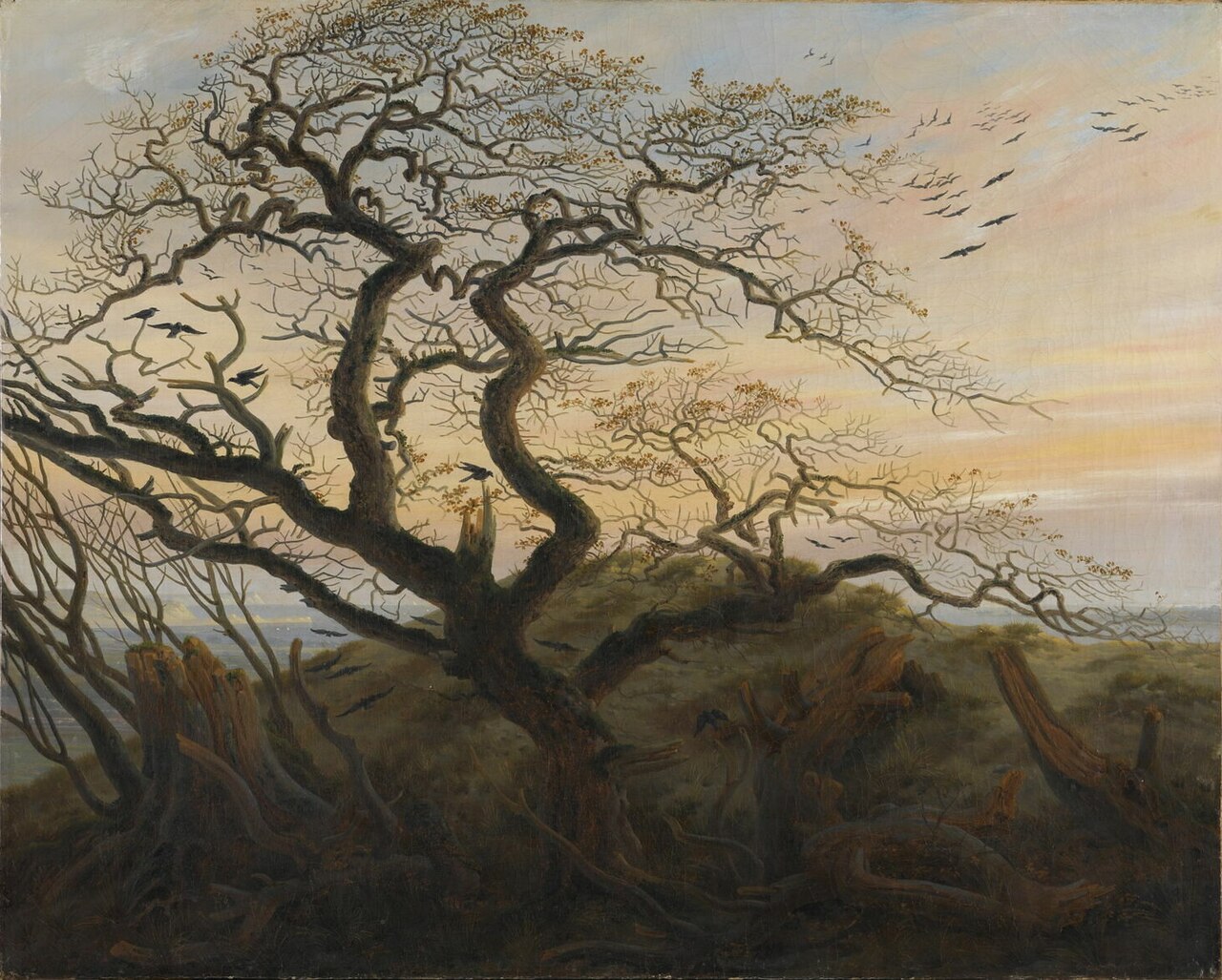
The old gods have mostly retreated from our daily lives. Yet their chosen scout remains perched on city streetlights and winter pines. When you encounter a raven today, you meet an ancient witness. This dark bird still carries the heavy weight of quiet observation. It watches us with the exact calculating intelligence that once served Odin.
We mostly ignore the silent margins between life and death. The raven makes its permanent home within that uncomfortable gap. Its harsh, rattling call cuts cleanly through the afternoon noise. That sound holds no sweet melody or gentle comfort. It sounds exactly like a warning we forgot how to translate. Perhaps the bird still feels the sudden scorch of Apollo’s fire. Maybe it is simply cataloging our daily follies for a master who no longer listens. The dark messenger keeps flying anyway.
Watch one as it walks across the frozen ground. The heavy beak turns slowly. A dark, glossy eye fixes intensely on your face. Cold wind catches those black feathers for a brief second. The bird knows exactly what it is looking at.
❓ Frequently Asked Questions
What is the spiritual meaning of ravens?
The raven acts as a spiritual mediator between the living and the dead. Because it feeds on carrion, ancient cultures viewed it as a creature uniquely capable of crossing the boundary into the underworld. It transforms death and decay into sustained life, making it a universal symbol of transition, profound transformation, and hidden truths.
What does the Raven symbolize as an omen?
As an omen, the raven frequently signals a sudden shift in reality or the revelation of a closely guarded secret. In Western traditions, it often serves as a warning of impending violence or divine judgment, tied to its mythological role as a scout for gods like Apollo and Odin. It demands attention for what has been ignored or left unresolved in the shadows.
What does a raven mean in Native American culture?
In many Indigenous North American traditions, the raven is a powerful trickster god and a creator figure. He is credited with stealing the sun to bring light to a dark world, operating outside of human morality to shape reality. The bird is respected as an unpredictable force of nature that creates life through chaotic, often selfish deception rather than benevolent design.
For a broader understanding of this symbolic tradition, explore our complete guide to Why Animal Symbolism Awakens the Primal Mind.
Explore Related Topics

Dalton Treviso is an independent researcher and writer exploring archetypes, Jungian psychology, and mythological symbolism. His work focuses on how ancient philosophical traditions and symbolic systems illuminate the hidden structures of the human psyche.
Drawing on Jungian psychology, Stoic thought, and comparative mythology, Dalton examines how the inner patterns we carry shape perception, conflict, and transformation.
Through EINSOF7, he writes about the symbolic architecture of the mind — exploring how myths, archetypes, and philosophical traditions act as both mirror and map for psychological depth and self-understanding.
Areas of study: Jungian archetypes, animal symbolism, dream symbolism, mythological figures, and ancient symbolic traditions.